Experience Coherence in Divine Medicine Ceremonies
In recent years, the interest in divine medicine ceremonies has surged, attracting individuals seeking healing, spiritual growth, and a deeper connection to themselves and the universe. These ceremonies often incorporate ancient practices and rituals that aim to create a profound sense of coherence within participants. This blog post will explore the essence of these ceremonies, their benefits, and how to prepare for an enriching experience.

Understanding Divine Medicine Ceremonies
Divine medicine ceremonies are rooted in various cultural traditions, often involving the use of natural substances, meditation, and communal rituals. These ceremonies are designed to facilitate healing on multiple levels—physical, emotional, and spiritual.
The Role of Nature
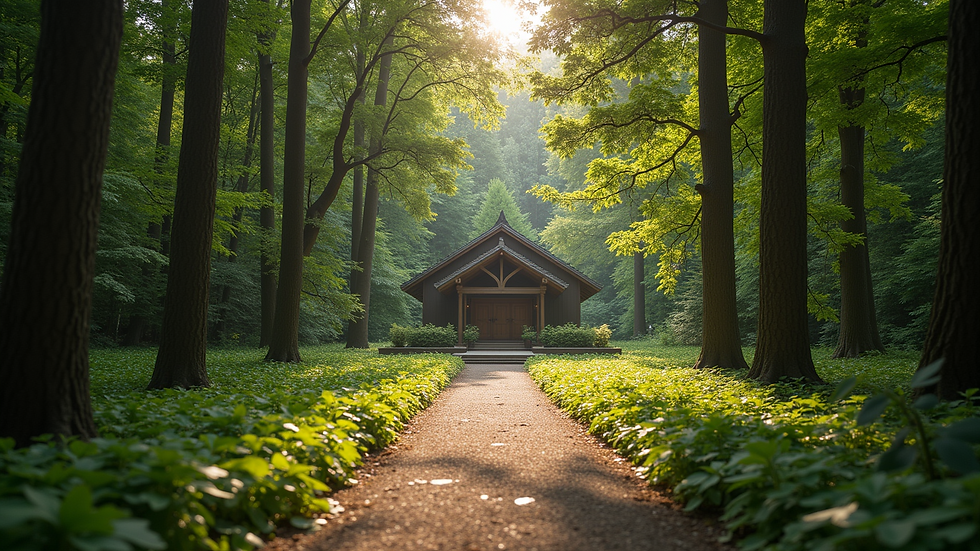
Nature plays a crucial role in these ceremonies. Many traditions emphasize the importance of connecting with the earth and its elements. Participants often find themselves in serene environments, surrounded by lush greenery, flowing water, and the sounds of wildlife. This connection to nature enhances the overall experience, promoting relaxation and a sense of belonging.
Common Elements of Divine Medicine Ceremonies
Sacred Plants: Many ceremonies involve the use of sacred plants, such as ayahuasca, peyote, or psilocybin mushrooms. These substances are believed to open pathways to deeper consciousness and healing.
Rituals and Prayers: Participants often engage in rituals that may include chanting, drumming, or guided meditations. These practices help to create a sacred space and foster a sense of community.
Guidance from Shamans or Healers: Experienced shamans or healers typically lead these ceremonies, providing guidance and support throughout the experience. Their knowledge and intuition are invaluable in navigating the spiritual journey.
Integration Practices: After the ceremony, integration practices are essential. Participants are encouraged to reflect on their experiences, often through journaling or group discussions, to help assimilate the insights gained.
The Benefits of Participating in Divine Medicine Ceremonies
Engaging in divine medicine ceremonies can lead to numerous benefits, including:
Enhanced Self-Awareness
Many participants report a heightened sense of self-awareness following these ceremonies. The introspective nature of the experience allows individuals to confront their fears, desires, and unresolved issues, leading to personal growth.
Emotional Healing
Divine medicine ceremonies can facilitate emotional healing by allowing participants to process trauma and release pent-up emotions. This cathartic experience can lead to a profound sense of relief and liberation.
Spiritual Connection
For many, these ceremonies serve as a gateway to deeper spiritual connections. Participants often describe feelings of unity with the universe, a sense of purpose, and a greater understanding of their place in the world.
Community and Support
The communal aspect of divine medicine ceremonies fosters a sense of belonging and support. Participants often form deep bonds with one another, creating a network of individuals who share similar journeys.
Preparing for a Divine Medicine Ceremony
Preparation is key to maximizing the benefits of a divine medicine ceremony. Here are some essential steps to consider:
Research and Choose Wisely
Before participating, it’s crucial to research the ceremony and the facilitator. Look for reputable sources and read reviews from previous participants. Ensure that the ceremony aligns with your values and intentions.
Set Clear Intentions
Setting clear intentions can significantly enhance your experience. Reflect on what you hope to achieve or learn during the ceremony. This focus will guide your journey and help you stay grounded.
Physical Preparation
Many ceremonies require participants to follow specific dietary guidelines in the days leading up to the event. This may include avoiding certain foods, alcohol, and other substances. Physical preparation helps to cleanse the body and mind, allowing for a more profound experience.
Mental and Emotional Readiness
Approach the ceremony with an open mind and heart. Be prepared to confront challenging emotions or memories that may arise. Embrace the journey, knowing that it is a part of your healing process.
What to Expect During the Ceremony
Understanding what to expect can help alleviate anxiety and enhance your experience. Here’s a general outline of what typically occurs during a divine medicine ceremony:
Arrival and Orientation
Participants usually arrive at the ceremony location and are welcomed by the facilitator. An orientation session often takes place, where the facilitator explains the process, sets guidelines, and answers any questions.
Ceremony Commencement
The ceremony typically begins with a ritual to create a sacred space. This may involve prayers, offerings, or other traditional practices. Participants are encouraged to settle in and connect with their surroundings.
Journeying
Once the ceremony begins, participants may consume the sacred plant or substance. The journey can vary in intensity and duration, with experiences ranging from deep introspection to euphoric states of consciousness.
Integration and Sharing
After the journey, participants often engage in integration practices. This may include sharing experiences, journaling, or participating in group discussions. Integration is vital for processing insights and emotions.
Integrating the Experience
The journey doesn’t end with the ceremony. Integration is a crucial aspect of the process, allowing participants to incorporate their experiences into daily life. Here are some tips for effective integration:
Reflect and Journal
Take time to reflect on your experience. Journaling can be a powerful tool for processing emotions and insights. Write down your thoughts, feelings, and any messages you received during the ceremony.
Seek Support
Consider joining a support group or community of individuals who have participated in similar ceremonies. Sharing your experiences with others can provide valuable insights and foster a sense of connection.
Continue Your Journey
Integration is an ongoing process. Explore practices such as meditation, yoga, or therapy to continue your personal growth. These practices can help you maintain the insights gained during the ceremony.
Conclusion
Divine medicine ceremonies offer a unique opportunity for healing, self-discovery, and spiritual growth. By understanding the elements of these ceremonies and preparing thoughtfully, participants can experience profound transformations. Embrace the journey with an open heart and mind, and allow the experience to guide you toward greater coherence in your life.
As you consider participating in a divine medicine ceremony, remember that the journey is yours to shape. Approach it with intention, openness, and a willingness to explore the depths of your being. The insights and healing you seek may be closer than you think.

Comments